The use of AI in the arts
Many artists nowadays work with what we call ‘AI’: tools that can help with drafting emails and managing calendars, but also with creating art. AI-generated films have already been screened at various major festivals, and such art is also making its way into museums. For example, in 2023, MoMA in New York City hosted an exhibition featuring a work of art created entirely by AI.
At the same time, more and more questions are being raised about privacy risks, invisible labour behind the scenes and the harmful environmental consequences. How do we address these ethical considerations in a field that can also benefit greatly from these tools? What are the alternatives? And what lessons can we draw for artistic practices?
What is AI?
AI, or artificial intelligence, is an umbrella term for various self-learning technologies: from chatbots and large language models – such as ChatGPT or Gemini – to facial recognition software and hotel recommendations. What they have in common is that they learn from vast amounts of data.
Large language models are the driving force behind most chatbots, whilst gigabytes of videos and photos serve as the source for text-to-image generators. These models are trained to recognise patterns, thereby generating content that sounds or looks human. There is, however, a ‘but’: they do not truly understand language and images in the same way that humans do.
Neutrality
A common misconception is that technology is objective: a neutral tool that converts input into output. But technology is always a reflection of the norms in our society, just like the values and choices of the people who design it. The data used to train AI helps determine what the system considers ‘normal’ or ‘correct’. Furthermore, large tech companies offer little transparency regarding exactly how their models work. Questions and concerns about
- working conditions: who records and monitors the training data, and under what circumstances;
- privacy: what data is stored, shared or used for further training;
- environmental impact: large AI models consume enormous amounts of energy and water;
are not included by default when creating these tools.
AI in the arts
The arts now face a unique challenge. Precisely in a field that revolves around originality, diversity of voices and creative thinking, AI tools can have a dual effect. On the one hand, they can be supportive: relieving repetitive administrative tasks, lowering language barriers or providing inspiration. On the other hand, there is a real danger of homogenising creative output. If artists and organisations all use the same tools to create art, there is a risk that the unique voice that characterises each of them will fade. Large AI models are trained on what already exists: on the average of what constitutes a ‘good text’ or a ‘beautiful work of art’. They are structurally less adept at highlighting the unconventional, the experimental, and the unheard-of – the very qualities that make the arts so valuable.
Furthermore, there is a wider issue surrounding intellectual property and copyright. Many AI models have been trained on copyright-protected material without the creators’ consent or remuneration. Artists who use AI unwittingly become part of a system that systematically undervalues creative labour.
Furthermore, the legal frameworks have not yet been adapted to the complexities of copyright surrounding the new content and art being created worldwide using AI. After all, who actually owns that AI-generated film at the film festival? The director listed in the credits, or the artists on whom the model was trained? This lack of clear legislation has concrete consequences for artists’ work. When you ask AI to edit your work, you often implicitly consent to your material being used for the model’s further training. The terms of use of major technology platforms contain clauses permitting this, but these are rarely actively read or understood. Conversely, when AI-generated work is downloaded and published, it is often legally unclear whether copyright applies to it (and to whom). In many countries, work generated entirely by AI is not yet eligible for copyright protection, which means it is free for third parties to copy and reuse.
That does not mean that AI can never be used. But it does require awareness, critical reflection and a clear stance.
Getting started with AI
Should we stop using AI tools straight away, then? Not necessarily. But the first step is to recognise that it isn’t a magic box that can do everything and always delivers good results. That’s why we’ve listed some practical tips below to help you move forward.
1. Technology is not neutral: be aware of how it influences your output
Every AI tool reflects the values of its developers, and these are not always fair. This means: never accept the output at face value. Ask yourself whether the generated art reflects your voice and vision, or whether it is merely a polished version that fits within a dominant framework. An AI tool can be a starting point, but don’t make it your end goal.
2. Be mindful of your privacy: do not enter personal data into chatbots
When you enter information into a chatbot or image generator, it is not always clear what happens to that data. Never enter personal details, confidential information or sensitive content via these tools. This also applies to creative ideas that you have not yet shared with others.
3. Practical alternatives
Furthermore, we don’t have to fully embrace large tech companies. Here are a few alternatives that place greater emphasis on privacy and ethical use:
- Signal: for secure messaging and communication regarding sensitive information, as an alternative to WhatsApp (which is owned by Meta).
- The digital rights organisation Bits of Freedom offers advice on alternative apps and tools that respect your privacy and help you move towards independence from major tech platforms. Alternatives to ChatGPT or Claude include Jan.ai, PocketPal, and Proton Lumo. These models are not trained on user data and are open source.
The originality, diversity of voices and creative thinking that make the arts so valuable need not disappear simply because of the presence of AI. However, this does require a conscious effort to safeguard these values, ensuring that AI remains a tool and not a substitute for the artist themselves.
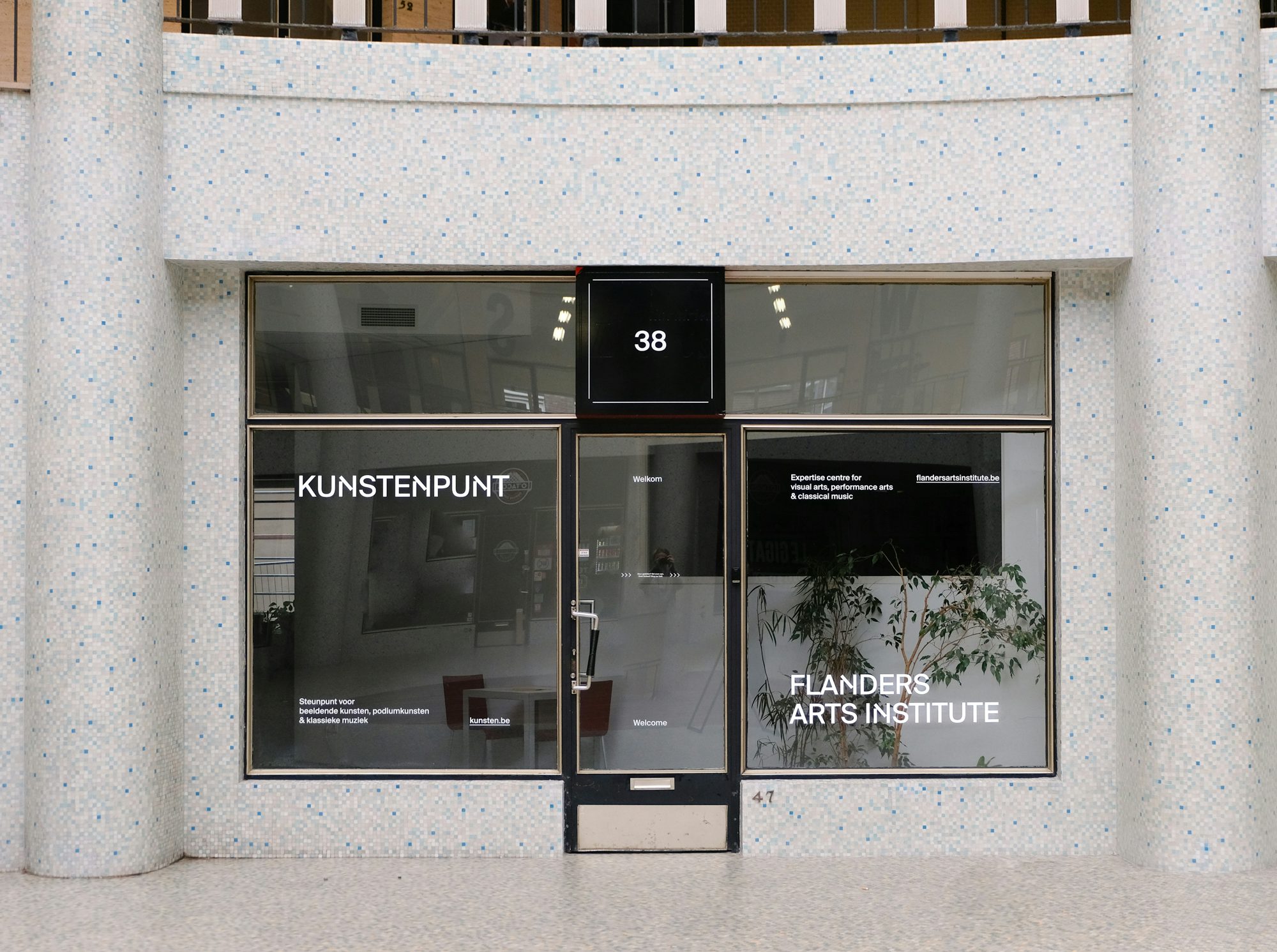
This advisory text was written by Robin Pocornie, founder of robinAIsha tech&justice, in collaboration with Flanders Arts Institute.