In need of advice?
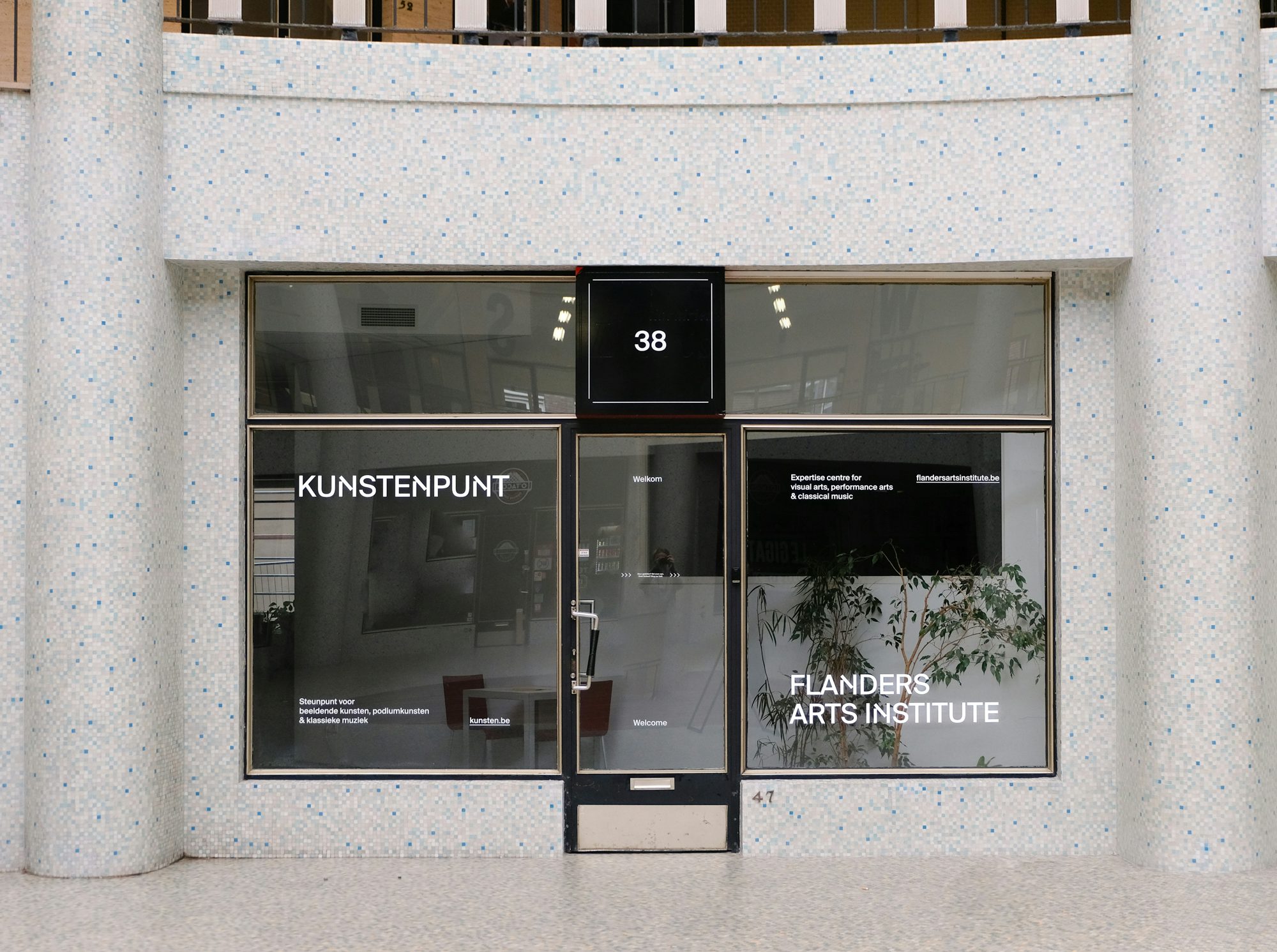
Do you work in the arts and have a question? Are you looking for a critical sounding board for your new project? Do you have questions after attending one of our information sessions?
Reflection – thinking, analysing – is a driving force behind dynamic societies. We reflect in informal and formal conversations, individually and collectively, in texts and stories (oral, audio, video, visual), in fiction and non-fiction, and in all possible forms of learning: from cerebral to applied. Reflection is inherent to human nature.
New ideas and insights stand on the shoulders of old ones: they build on them, oppose them, colour them in. Reflection is of little use if it is not shared – if people cannot relate to it. The direction in which it evolves is partly determined and influenced by what came before: in what context does reflection arise, on what previous ideas is it based, what does it – consciously or unconsciously – overlook? In which paradigms is it embedded?
Specifically within art, we are talking about academic, non-academic, and practice-based artistic research, dramaturgy, criticism, and other content in a variety of media and artistic forms that reflects on art and that which it interacts with. The same circular reasoning – ‘reflection is that which reflects’ – can be found in the definition contained in the Arts Decree. It considers reflection as something you do with reflection, namely “realising, stimulating and making accessible reflection and criticism on art”. This is comparable to the Flanders Audiovisual Fund (VAF), where it concerns “the quality of the educational or reflective offering”. Flanders Literature tends to limit reflection to literary magazines.
The definition in the Arts Decree is open. It does not define what ‘reflection’ is, but makes it clear that art is its subject, and that criticism is part of it. The accompanying implementing decree expands this subject to include the arts field – we reflect on ‘art and the artistic ecosystem’ – and specifies assessment criteria. The quality of reflection is important, as is its relevance to the field and the way in which it is disseminated and made accessible. The Arts Decree leaves ‘reflection’ open, yet its subject is specified: art and the arts field. This is remarkable, because much can be reflected upon within and based on an arts practice.
Download the full Landscape Sketch of the Arts 2025 (in Dutch)
The theme ‘reflection and contemplation in the arts’ on the one hand discusses art criticism in Flanders, including all media in which art is discussed. On the other hand, the theme highlights other forms of reflection carried out by organisations under the Arts Decree.
Art criticism faces challenges similar to the arts field. By far the most important: the question of how to deal with an increasing diversity of views on quality and substantive assessment frameworks for art. Attempts are made to increase the voices being heard in art criticism, and alternative styles and approaches are explored.
In addition to art criticism and the broader discussion about art in the media, there are other forms of reflection. Traditionally, for example, it is about public conversations, artist talks and the like. Some argue that we should continue to view the subject of reflection (“art and the arts field” according to the implementing decree of the Arts Decree 2021) from a sufficiently broad perspective.
This is because, under the heading of reflection, it aims to free up more time for introspection on correct, caring, supportive and sustainable engagement in the field. It aims to share the fruits of that work with peers, colleagues and the many other people and groups who are still involved in this.
Nevertheless, social and political themes also affect our field: questions that are not directly related to our ecosystem but play a significant role in it. We look for the time and space to also be actively involved in these. How do you apply knowledge about ecological sustainability to actually work in a more climate-conscious way? What does decolonisation concretely mean for our arts field today? On which political or social issue do we – as individuals, as organisations, as a field – have a role to play, and how do we work on that? How does a collective or organisation take a public political position in a thoughtful manner?
Going a step further, there is a sense of need to take action in the longer term as well: to create space in policy plans for effective transition (‘effective’ meaning ‘beyond ideas and towards sustainable implementation’), so that the reflective work also leads to something visibly and behind the scenes. This concretising work does not fall under reflection as defined in the decree. However, there is a clear need for white space in the plans to accommodate it.
Do you work in the arts and have a question? Are you looking for a critical sounding board for your new project? Do you have questions after attending one of our information sessions?
Who is active in the arts in Flanders? Here you can find an overview of makers, organisations, stage productions, exhibitions and music releases.